📞  — free, 24/7
— free, 24/7 — free, 24/7Medications used to treat or prevent viral infections, including systemic and topical agents for influenza, herpes, shingles, hepatitis, and other viral illnesses. They inhibit viral replication to reduce symptoms, shorten illness, and lower transmission risk.
Medications used to treat or prevent viral infections, including systemic and topical agents for influenza, herpes, shingles, hepatitis, and other viral illnesses. They inhibit viral replication to reduce symptoms, shorten illness, and lower transmission risk.
Antiviral medicines are drugs designed to inhibit the growth and reproduction of viruses or to reduce the harm they cause. Unlike antibiotics, which act against bacteria, antivirals target specific stages of the viral life cycle, such as entry into cells, replication of viral genetic material, or assembly of new virus particles. Some are formulated for short courses to treat acute infections, while others are intended for longer-term use to suppress chronic viral conditions. The category covers products used for many different viruses rather than a single type of infection.
Common clinical uses include treating seasonal and pandemic influenza, managing outbreaks or recurrences of herpes simplex and varicella‑zoster infections, suppressing chronic hepatitis B or HIV infection, and addressing certain other respiratory or systemic viral illnesses. Some antivirals are used as post‑exposure or pre‑exposure prophylaxis in specific settings to reduce the risk of infection, and topical formulations are available for localized skin or mucosal infections. Different agents are chosen based on the virus involved, the stage of illness, and whether the goal is to cure, shorten illness duration, or suppress viral activity.
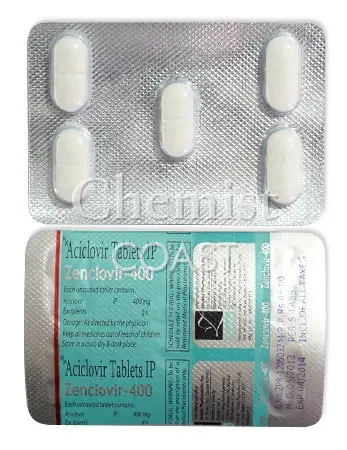
Medications in this category fall into several pharmacological groups. Nucleoside or nucleotide analogues interfere with viral genome replication and include drugs commonly used for herpes and hepatitis. Neuraminidase inhibitors reduce influenza virus spread in the respiratory tract. Other classes encompass direct‑acting antivirals that target viral enzymes, non‑nucleoside reverse transcriptase inhibitors used in HIV therapy, and broad‑spectrum agents with varied mechanisms. Examples of well‑known medicines are those used for herpesvirus infections (acyclovir and its oral or topical forms, valacyclovir, famciclovir), influenza (oseltamivir), oral agents developed for newer viral threats (molnupiravir), and drugs used in chronic viral management or combination antiviral regimens (lamivudine, ribavirin, efavirenz). Some products referenced here may have different roles depending on the clinical context.
Safety and tolerability vary considerably across antiviral classes. Side effects can range from mild, such as gastrointestinal discomfort or headache, to more serious effects related to liver, kidney, or blood cell function with certain agents. Drug–drug interactions are an important consideration for many antivirals, particularly those used in long‑term regimens, and dose adjustments may be required for impaired organ function. Resistance can develop when viruses are exposed to suboptimal drug levels, making adherence to prescribed regimens and careful selection of agents important in clinical practice. Packaging and storage conditions also matter, as some formulations require refrigeration or protection from light.
When people browse antiviral options they commonly look for the intended viral indication, the route of administration (oral, topical, or injectable), treatment duration, and the formulation strength relevant to their needs. Information about safety warnings, potential interactions with other medications, and whether a product is approved for the specific use are also high priorities. Availability in generic or brand formulation, prescription requirements, and clear details on active ingredients and dosage form help consumers compare options and understand what they are purchasing.