📞  — free, 24/7
— free, 24/7 — free, 24/7Home blood pressure monitoring and management products: automatic and manual monitors, replacement cuffs, wrist and upper-arm options, wearable trackers, antihypertensive medications and related supplies, plus logbooks and digital tools for recording and sharing readings.
Home blood pressure monitoring and management products: automatic and manual monitors, replacement cuffs, wrist and upper-arm options, wearable trackers, antihypertensive medications and related supplies, plus logbooks and digital tools for recording and sharing readings.
Medications for blood pressure are a diverse group of prescription drugs used to help control elevated arterial pressure. They work through different mechanisms — dilating blood vessels, reducing blood volume, slowing the heart rate, or blocking hormonal signals that raise pressure — and are chosen based on the underlying cause, other medical conditions, and individual response. This category covers single agents and fixed-dose combinations intended to maintain target blood pressure over time.
Common clinical reasons for prescribing these medicines include chronic hypertension, certain types of heart disease, and conditions that increase the risk of stroke or kidney damage when blood pressure is uncontrolled. Some agents are also used for related issues such as fluid overload or specific heart rhythm problems. Decisions about when to start, change, or combine drugs are part of routine medical care aimed at reducing long‑term cardiovascular risks.
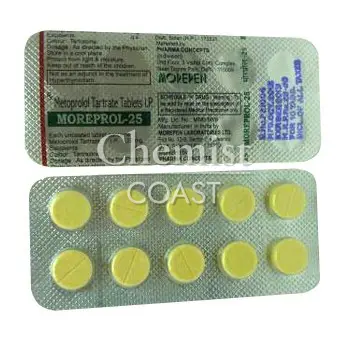
Several broad classes are represented here, each with typical examples. ACE inhibitors (lisinopril, enalapril) and angiotensin receptor blockers (losartan, candesartan) act on the renin–angiotensin system. Beta‑blockers (atenolol, metoprolol) reduce heart rate and workload. Calcium channel blockers (amlodipine, diltiazem, verapamil) relax arterial muscle. Diuretics (hydrochlorothiazide, furosemide, spironolactone) reduce fluid volume, and centrally acting agents or alpha‑blockers (clonidine, prazosin) influence nervous system signals. Fixed combinations that pair complementary classes are commonly used to simplify therapy.
Dosing options vary from immediate‑release tablets taken multiple times daily to extended‑release formulations and once‑daily pills intended to provide steadier control. Combination pills can reduce pill burden by joining two mechanisms in a single tablet. Formulation and dosing schedule influence convenience, adherence, and how quickly blood pressure responds, so healthcare providers typically consider these factors when selecting a regimen.
Safety considerations are an important part of selecting and using these medicines. Side effects differ by class and can include fatigue, dizziness, cough, changes in kidney function or electrolytes, and other symptoms. Interactions with other prescription medications, over‑the‑counter products, and some supplements may alter effectiveness or increase risk. Certain drugs are not suitable during pregnancy or for people with specific medical problems. Regular monitoring by a clinician is often part of responsible use to assess effectiveness and detect adverse effects.
When comparing options, people commonly look at how well a medicine lowers blood pressure, the likelihood of side effects, how often it must be taken, and whether a generic version is available. Fixed‑dose combinations, dosing convenience, and the need for laboratory monitoring or follow‑up visits also influence choices. Conversations with a healthcare professional typically balance these practical considerations alongside medical history and concomitant conditions to find the most appropriate therapy.