📞  — free, 24/7
— free, 24/7 — free, 24/7Medications, topical treatments and supportive aids for managing arthritis-related pain, inflammation and stiffness. Products cover over-the-counter pain relievers, topical analgesics, prescription anti-inflammatories, joint supplements, braces and mobility supports for everyday joint care.
Medications, topical treatments and supportive aids for managing arthritis-related pain, inflammation and stiffness. Products cover over-the-counter pain relievers, topical analgesics, prescription anti-inflammatories, joint supplements, braces and mobility supports for everyday joint care.
Arthritis refers to a group of conditions that affect the joints, producing symptoms such as pain, stiffness, swelling and reduced range of motion. Causes and patterns vary: some forms are driven by mechanical wear and tear, others by autoimmune inflammation or by crystal deposition in joints. Available medicines target different aspects of those problems, from short-term symptom relief to long-term control of underlying disease activity, and may be used alone or alongside non-pharmacological treatments and physical therapies.
People commonly use arthritis medications to manage daily pain, to control inflammatory flares that come on suddenly, and to slow or modify disease progression in chronic inflammatory types. For sudden painful episodes such as gout attacks, medications that act quickly to reduce inflammation are often selected. For chronic inflammatory conditions like rheumatoid arthritis, therapies that alter the immune response or reduce long-term joint damage are used on an ongoing basis. Some drugs are suitable for intermittent use while others are intended for regular maintenance.
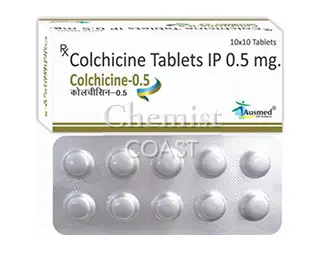
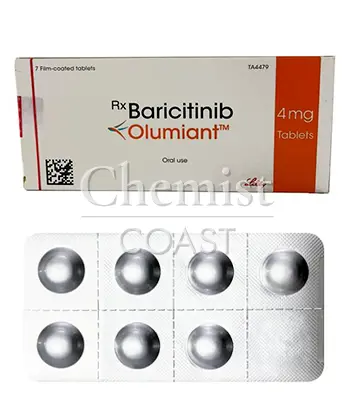
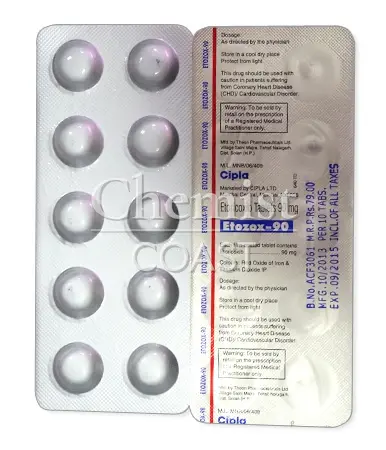
Different classes of medicines are typically found in this area. Nonsteroidal anti-inflammatory drugs (NSAIDs) such as ibuprofen (Motrin), naproxen (Naprosyn, Anaprox) and ketoprofen offer pain relief and anti-inflammatory effects; selective COX-2 inhibitors such as etoricoxib (Arcoxia) are alternatives with a different safety profile. Corticosteroids like dexamethasone (Dexone) are potent anti-inflammatories used for short-term control of flares. Colchicine (Colcrys) and related agents are commonly used for gout flares, while xanthine oxidase inhibitors such as allopurinol (Zyloprim) are prescribed to lower uric acid levels and reduce flare frequency. Disease-modifying antirheumatic drugs (DMARDs) and immunosuppressants—examples include cyclosporine (Neoral)—and newer targeted therapies such as the JAK inhibitor baricitinib (Olumiant) are used to control autoimmune disease activity and limit structural joint damage.
How these medicines are used depends on their purpose and characteristics. Fast-acting options are often taken at the first sign of a flare, whereas maintenance treatments are taken regularly to keep inflammation controlled and to prevent progression. Route and formulation vary: oral tablets are common, but some medications are available as topical gels, injections or infusions in a clinical setting. Treatment decisions frequently balance speed of relief against long-term goals, and combinations of agents with complementary actions are sometimes part of a broader management plan.
General safety considerations are an important part of choosing and using arthritis medicines. NSAIDs can cause gastrointestinal irritation and, in some people, increased risk of bleeding or effects on kidney function. Certain NSAIDs and COX-2 inhibitors have been associated with cardiovascular risks in susceptible individuals. Corticosteroids can produce wide-ranging systemic effects when used long term. Immunosuppressive and targeted agents may increase susceptibility to infections and often require laboratory monitoring such as blood counts or liver function tests. Colchicine and urate-lowering drugs have their own side effect profiles and potential interactions. The balance between expected benefit and potential harm is commonly assessed when selecting therapy.
When people look for arthritis medicines they typically consider how fast a medicine works, how long relief lasts, whether it is intended for short-term flare control or long-term maintenance, the route of administration, and the likely side effects or monitoring needs. Availability differs by medication and by jurisdiction: some options are sold over the counter at lower doses, while many others are prescription-only. Information about formulation, dosing frequency and known interactions helps users compare choices in consultation with qualified healthcare providers and pharmacists.