📞  — free, 24/7
— free, 24/7 — free, 24/7| Package | Price per Dose | Price | |
|---|---|---|---|
| 360 pills | A$1.55 | A$741.92 A$556.44 Free shipping | |
| 180 pills | A$1.72 | A$412.17 A$309.12 Free shipping | |
| 120 pills | A$1.90 | A$303.23 A$227.42 | |
| 90 pills | A$2.12 | A$253.18 A$189.88 | |
| 60 pills | A$2.36 | A$188.40 A$141.30 | |
| 30 pills | A$2.94 | A$117.74 A$88.31 |
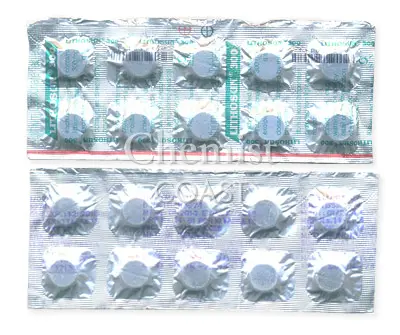
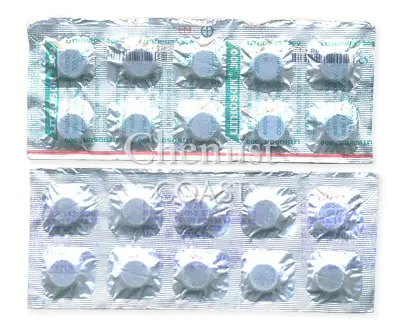
Lithium is a mood stabilizer prescribed for bipolar disorder. It helps prevent extreme mood swings and reduces manic or depressive episodes. The medicine is usually taken in tablet form, as lithium carbonate or citrate. In an online pharmacy, lithium is dispensed only with a valid prescription and clear patient information. Regular medical follow‑up is essential to monitor effects and safety.
The exact way lithium works is not fully understood. It seems to modulate nerve signals in the brain and helps stabilize mood over time. The benefit often appears after several days to weeks of treatment, not right away. Because the response varies, clinicians tailor the dose and adjust it based on how well symptoms improve and on lab tests.
Take lithium exactly as prescribed. Do not change the dose or stop the medicine without talking to your clinician. Tablets are usually swallowed with water, often once or twice daily. Some people take it with meals to reduce stomach upset. Blood tests are needed to check lithium levels and to monitor kidney and thyroid function. Hydration and a steady salt intake help keep levels stable. If you experience vomiting, diarrhea, or dehydration, tell your doctor as these can raise lithium levels.
Common early effects include thirst, increased urination, hand tremor, mild weight gain, and some nausea or fatigue. These usually improve with time. Other possible feelings are dry mouth, acne or hair changes, and feeling a bit slowed or drowsy. Long‑term use can affect kidney function and thyroid activity, so regular tests are important. Seek urgent help if you notice severe tremor, confusion, muscle weakness, vomiting, or seizures, as these may signal toxicity.
Lithium interacts with several medicines and substances. Nonsteroidal anti‑inflammatory drugs (NSAIDs) can raise lithium levels. Certain diuretics and some blood pressure medicines can also affect lithium. Salt restriction and dehydration can change levels as well. Always tell your healthcare provider about all medicines you take, including over‑the‑counter drugs and supplements. Routine blood tests, kidney function tests, and thyroid tests are part of safe monitoring.
People with kidney or thyroid problems require careful monitoring. Lithium is generally avoided during pregnancy unless the benefits outweigh risks, and it can pass into breast milk. If you are planning pregnancy or are breastfeeding, discuss options with your clinician. Old age, dehydration, or prolonged illness may require dose adjustments. Do not start or stop lithium during acute illness without medical advice.
Store lithium at room temperature away from moisture and heat. Keep it in a secure place out of reach of children. If you miss a dose, do not double the next one; follow your doctor’s instructions. When ordering lithium from an online pharmacy, ensure you have an up‑to‑date prescription and clear usage instructions. Use the packaging and patient leaflet to guide you and contact support if anything seems unclear.
14–21 days. Free from A$284.93 .
5–9 days. A$42.74
−10% when paying with cryptocurrency.
−10% on all repeat orders.
All orders are packed in neutral, unbranded boxes with no product name on the outside.