📞  — free, 24/7
— free, 24/7 — free, 24/7Asthma — products for managing and relieving asthma symptoms: rescue and controller inhalers, inhaled and oral bronchodilators and corticosteroids, spacers, nebulizers, peak flow meters and related accessories for daily control and emergency use.
Asthma — products for managing and relieving asthma symptoms: rescue and controller inhalers, inhaled and oral bronchodilators and corticosteroids, spacers, nebulizers, peak flow meters and related accessories for daily control and emergency use.
Medications in the Asthma category are intended to help control symptoms of airway constriction, inflammation and excess mucus production that affect breathing. These products cover both fast-acting treatments that relieve sudden breathlessness and longer‑term therapies that reduce airway inflammation and lower the risk of exacerbations. The range spans inhaled devices, oral tablets and sustained‑release formulations suited to different patterns of disease and patient needs.
People most often use these medicines either for quick symptom relief during an episode of wheeze or shortness of breath, or as background preventive therapy to reduce symptom frequency and severity. Short‑acting bronchodilators provide rapid opening of the airways for immediate relief, whereas inhaled corticosteroids and other controller medicines act over weeks to reduce underlying inflammation and help prevent attacks. Some products are also aimed at specific situations such as exercise‑induced symptoms or allergy‑related breathing problems.
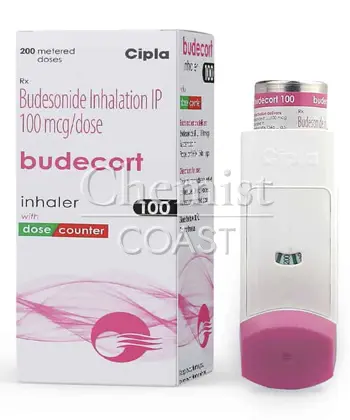
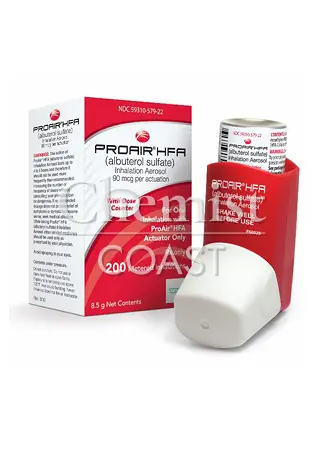
Common types of products include short‑acting beta2‑agonists such as salbutamol (often found in rescue inhalers like Ventolin or ProAir/Proventil), inhaled corticosteroids such as budesonide (Pulmicort, Budecort) for long‑term control, and combination inhalers that mix an inhaled steroid with a long‑acting bronchodilator (examples include the formulations sold under names like Advair or Symbicort). Other categories present here include anticholinergic bronchodilators such as tiotropium (Spiriva, Tiova), combination anticholinergic/beta‑agonist inhalers (Combivent), leukotriene receptor antagonists like montelukast (Singulair), oral methylxanthines and sustained‑release theophylline preparations (Theo‑24, Uniphyl), and other agents more commonly used in obstructive airway disease management such as roflumilast (Daliresp).
Delivery format is an important consideration among products in this category. Metered‑dose inhalers, dry powder inhalers and rotahaler or rotacap devices are widely used for inhaled medicines, while some bronchodilators and anti‑inflammatory agents are available as tablets or extended‑release capsules. Nebuliser solutions are another option for patients who need a misted form of medication. Choice of device and formulation can affect how quickly a medicine acts, how long its effect lasts, and how easy it is for different age groups to use.
Safety considerations and expected side‑effect profiles vary by medicine class. Fast‑acting bronchodilators commonly cause temporary shakiness or a faster heart rate in some users, inhaled corticosteroids may be associated with local effects such as hoarseness or oral thrush, and anticholinergic drugs can cause dry mouth or urinary retention in susceptible individuals. Oral agents can have systemic effects and specific monitoring or dose adjustments may be relevant for certain formulations. Storage conditions, expiry dates and keeping medicines out of reach of children are practical factors that apply across products.
When comparing options, users typically look at how quickly a product relieves symptoms, how long it lasts, the type of device, whether it contains a steroid or is steroid‑free, and whether a single combination product can reduce the number of separate treatments. Availability of pediatric strengths, inhaler technique requirements, and whether a generic alternative exists are also common considerations. Information about strength, active ingredients and formulation helps match a chosen product to personal needs and treatment plans, and product labels and patient information leaflets provide details specific to each medicine.