📞  — free, 24/7
— free, 24/7 — free, 24/7Medications that increase urine production to reduce fluid retention and lower blood pressure, used for heart failure, hypertension, kidney or liver conditions. Types include loop, thiazide and potassium-sparing diuretics; can alter electrolytes and require monitoring.
Medications that increase urine production to reduce fluid retention and lower blood pressure, used for heart failure, hypertension, kidney or liver conditions. Types include loop, thiazide and potassium-sparing diuretics; can alter electrolytes and require monitoring.
Diuretics are a class of medicines that help the body eliminate excess water and salt by increasing urine production. They act on the kidneys to alter the way electrolytes and water are reabsorbed, which can reduce fluid buildup in tissues and decrease circulating blood volume. The effect is measured in changes to fluid balance and electrolytes rather than by direct symptom relief, so their use is focused on underlying conditions where removing fluid is beneficial.
Common clinical reasons for using diuretics include management of high blood pressure and reduction of swelling (edema) due to heart failure, certain kidney disorders, or liver disease. They are also used in specific metabolic situations such as elevated blood calcium in some cases, and can form part of multi-drug strategies to control chronic cardiovascular or renal conditions. How and when a diuretic is chosen depends on the medical goal—lowering pressure, mobilizing fluid, or modifying electrolyte levels.
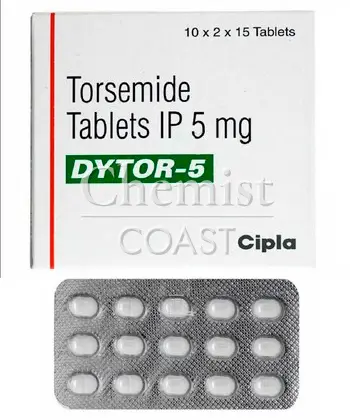
There are several main types available. Thiazide-type diuretics, such as hydrochlorothiazide (often known by names like Microzide or Esidrix) and chlorthalidone (Hygroton), are commonly used for long-term blood pressure control. Loop diuretics, including furosemide (found under names such as Lasix) and torsemide (Demadex), are more potent at removing fluid and are frequently used when rapid or larger-volume diuresis is needed. Potassium-sparing agents like spironolactone (Aldactone) are used when conservation of potassium is important or to counterbalance other diuretics, and other subtypes such as indapamide (Lozol) offer a combination of effects characteristic of thiazide-like medicines.
Diuretics are available in several formulations and dosing patterns, including oral tablets for chronic management and injectable forms for acute care. Some products are prescribed as single agents while others are combined with antihypertensive drugs in fixed-dose combinations to simplify treatment. Differences among agents include onset and duration of action, the degree of fluid removal, and specific effects on sodium, potassium and other electrolytes, which influence the choice of one drug over another for a particular medical purpose.
General safety considerations relate to changes in electrolyte balance and hydration status. Diuretics can cause low potassium, low sodium, or increased uric acid, and some types may affect blood glucose or kidney function. Potassium-sparing agents have a different risk profile, including potential effects on hormone-related pathways. Interactions with other medicines and underlying health conditions can modify both effectiveness and safety, and laboratory monitoring is commonly used to track response and detect unwanted changes.
When people compare diuretics they typically look at how effective a medicine is for the intended goal, how long it lasts, the side effect profile, and whether it is available in a convenient formulation or as a generic option. Other considerations include the need to preserve potassium, the speed of fluid removal required, and compatibility with other prescribed treatments. Familiar drug names such as furosemide, hydrochlorothiazide, spironolactone, torsemide and indapamide are often mentioned during those comparisons because they represent the main subgroups and typical choices found in this therapeutic area.