📞  — free, 24/7
— free, 24/7 — free, 24/7Products and medications for prevention and treatment of gout: acute pain relief (NSAIDs, colchicine, corticosteroids), urate‑lowering therapies (allopurinol, febuxostat, uricosurics) and supportive measures to manage uric acid levels and inflammation.
Products and medications for prevention and treatment of gout: acute pain relief (NSAIDs, colchicine, corticosteroids), urate‑lowering therapies (allopurinol, febuxostat, uricosurics) and supportive measures to manage uric acid levels and inflammation.
Medications for gout are designed to manage two related problems: the sudden, painful joint inflammation known as a gout flare, and the longer-term control of uric acid levels that can reduce the frequency of flares over time. This category groups drugs that act in different ways — some relieve inflammation during an attack, while others change how the body handles uric acid to prevent future episodes. Understanding these distinctions helps when comparing options and considering how a medicine might fit into an overall treatment approach.
Common use cases include short-term relief of acute flares and ongoing suppression of high uric acid (hyperuricemia). For acute attacks, fast-acting anti-inflammatory agents are used to reduce pain and swelling. For long-term management, medications that lower uric acid are taken regularly to dissolve urate deposits and reduce recurrence. Different circumstances, such as the severity and frequency of attacks or the presence of other health conditions, influence which approach or combination of medicines is appropriate.
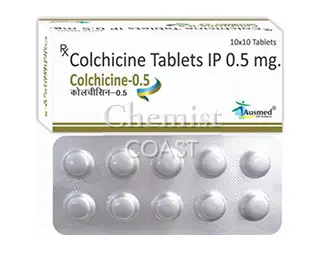
The types of medications represented here include anti-inflammatory drugs used during flares and urate-modifying agents for prevention. Anti-inflammatory options commonly used for gout flares include nonsteroidal anti-inflammatory drugs (NSAIDs), short courses of corticosteroids, and colchicine, a long-established anti-inflammatory compound that is available under names such as Colcrys. For longer-term urate lowering, xanthine oxidase inhibitors such as allopurinol (also marketed as Zyloprim) reduce the production of uric acid, while uricosuric agents like probenecid (Benemid) increase its elimination by the kidneys.
How these medications are used varies by purpose and individual factors. Medicines intended for long-term uric acid control are typically taken on a continuous schedule to maintain lower uric acid levels, while flare treatments are started at the onset of symptoms and used for shorter durations. In some situations, clinicians may combine approaches or adjust treatments over time to balance effectiveness and tolerability. Formulation and dosing frequency can differ between products, with oral tablets being the most common form in this category.
General safety considerations are an important part of choosing among gout medicines. Agents in this category can cause side effects ranging from gastrointestinal upset with colchicine and NSAIDs to hypersensitivity reactions or liver and kidney impacts with certain urate-lowering drugs. Drug–drug interactions are also a concern, since some gout medications affect the metabolism or excretion of other commonly used medicines. Kidney function, liver function, and other health conditions often influence which options are considered safer or more appropriate.
When people browse gout medications they typically look at how quickly a medicine works for flares, how effective it is at reducing future attacks, the profile of side effects, dosing convenience, and any monitoring that may be needed. Many also consider whether a product is available as a generic or under a familiar name, and whether its route of administration and frequency fit their daily routine. Prescribers and pharmacists take these factors into account along with individual health circumstances when selecting an appropriate regimen.