📞  — free, 24/7
— free, 24/7 — free, 24/7Medications and treatments for mental disorders and symptom management, including antidepressants, antipsychotics, mood stabilizers, anxiolytics, stimulant therapies for ADHD, sleep aids and adjunctive therapies. Many items require a prescription and professional oversight.
Medications and treatments for mental disorders and symptom management, including antidepressants, antipsychotics, mood stabilizers, anxiolytics, stimulant therapies for ADHD, sleep aids and adjunctive therapies. Many items require a prescription and professional oversight.
Mental Disorders is a category covering prescription medicines that are used to manage a wide range of psychiatric and neuropsychiatric conditions. These medications address symptoms such as persistent low mood, mania or mood swings, hallucinations or delusions, severe anxiety, problems with attention and concentration, excessive daytime sleepiness, and some cognitive changes associated with neurodegenerative conditions. Many products classified here are part of long-term treatment plans intended to reduce symptom burden and improve day-to-day functioning.
Common use cases include treating depressive disorders, bipolar disorder, schizophrenia and other psychotic disorders, anxiety disorders, attention-deficit/hyperactivity disorder (ADHD), and sleep-wake disorders. Some medicines are prescribed specifically for acute symptom control—for example, short-term relief of severe agitation—while others are intended for maintenance therapy to prevent relapse. A few agents listed in this category are also used to address cognitive symptoms of dementia or to promote wakefulness in disorders that cause excessive sleepiness.
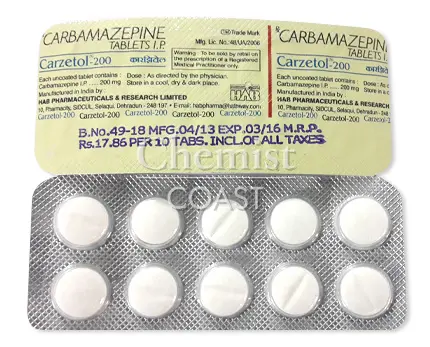
The category contains several major classes of drugs and representative medicines. Antidepressants and older tricyclics such as anafranil are found alongside anxiolytics like buspar. Typical and atypical antipsychotics are represented by names such as thorazine, mellaril and clozaril, while mood stabilizers include lithium formulations (lithobid) and anticonvulsant agents such as tegretol that are frequently used in bipolar care. ADHD treatments include non-stimulant options like strattera. Cognitive enhancers and wakefulness-promoting agents such as namenda and provigil may appear in this group, and other nervous-system active drugs—from nootropil to certain muscle relaxants—can be present when they are used in neuropsychiatric contexts.
Safety considerations are an important part of understanding this category. These medicines vary widely in their side-effect profiles, from common effects such as drowsiness, dry mouth or gastrointestinal symptoms to more serious risks that require laboratory monitoring or clinical observation. Some antipsychotics and mood stabilizers are associated with metabolic changes or blood-level concerns, and certain older agents may carry specific cardiac or neurological risks. Drug interactions, dose adjustments and monitoring schedules differ between products, so awareness of these issues is a routine part of using medications in this therapeutic area.
When people compare options within this category they typically look at effectiveness for particular symptoms, onset of action, expected duration of therapy, and the likely side effects. Route of administration and available formulations—oral, long-acting injectable, or controlled-release preparations—can influence suitability for a given person. Other practical considerations include how a medicine might interact with other prescriptions or medical conditions, as well as whether periodic blood tests or clinical follow-up will be needed.
Treatment strategies in this area often involve selecting a single agent or combining medications from different classes to target a range of symptoms. For example, a mood stabilizer may be used alongside an antipsychotic during certain phases of illness, and some anticonvulsants are prescribed primarily for seizure control but also used as mood regulators. The variety of options—from older phenothiazines and thioxanthenes to newer atypical antipsychotics, stimulants and non-stimulant ADHD agents—reflects the complexity of psychiatric care and the need to tailor therapy to individual clinical profiles and treatment goals.