📞  — free, 24/7
— free, 24/7 — free, 24/7Medications and products for managing acute and chronic pain: over-the-counter and prescription analgesics, nonsteroidal anti-inflammatories, acetaminophen, topical gels and patches, migraine treatments, muscle rubs and remedies for targeted symptom relief.
Medications and products for managing acute and chronic pain: over-the-counter and prescription analgesics, nonsteroidal anti-inflammatories, acetaminophen, topical gels and patches, migraine treatments, muscle rubs and remedies for targeted symptom relief.
Pain Relief covers medicines and products designed to reduce discomfort, inflammation, fever, muscle spasm and other symptoms that cause pain. The range reaches from widely available over‑the‑counter analgesics to prescription treatments used for specific conditions. Some products act quickly for short-lived pain, while others are intended for ongoing control of chronic symptoms associated with arthritis, nerve disorders or inflammatory disease.
Common use cases include headache and migraine, acute injuries such as sprains and strains, postoperative or dental pain, menstrual cramps, musculoskeletal conditions and long‑term conditions such as osteoarthritis or back pain. Certain medicines are targeted to particular types of pain — for example, some are more effective for inflammatory pain, others for neuropathic pain or for the intense, episodic pain of migraine.
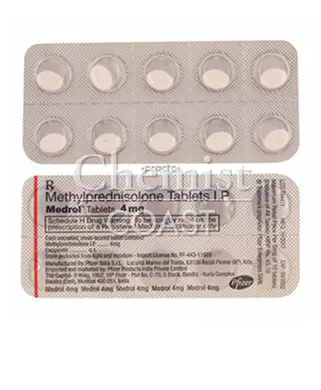
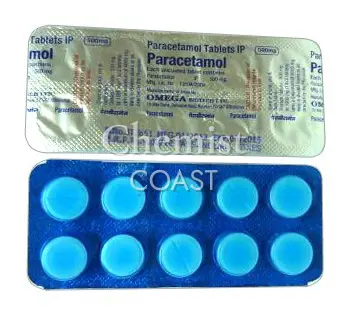
Several different drug classes appear in this category. Nonsteroidal anti‑inflammatory drugs (NSAIDs) such as ibuprofen, naproxen and diclofenac are often used for inflammatory and musculoskeletal pain, and some are available in extended‑release or topical formulations. Paracetamol/acetaminophen (panadol) is a common non‑inflammatory analgesic. Migraine‑specific triptans such as sumatriptan, rizatriptan and zolmitriptan treat acute migraine attacks. Medications used for nerve pain and spasm include gabapentin, baclofen and tizanidine, while corticosteroids and certain immunomodulators are used in inflammatory conditions that cause pain. There are also specialty agents such as phenazopyridine for urinary discomfort and medications used in the broader management of conditions that can involve pain, like gout or autoimmune disease.
Safety profiles and potential side effects vary by class. NSAIDs may be associated with gastrointestinal irritation, bleeding risks, renal effects and cardiovascular considerations; acetaminophen is notable for liver safety at high doses. Corticosteroids can affect metabolism and immune response when used systemically, especially over long periods. Drugs acting on the nervous system can cause drowsiness, dizziness or coordination changes. Product labels and packaged information provide details on indications, contraindications, warnings and recommended use for each medicine.
When people compare pain relief options they commonly weigh effectiveness for the specific type of pain, onset of action, duration, formulation (tablet, liquid, topical gel, extended‑release), and whether a medicine is available without a prescription. Tolerability, possible interactions with other treatments, and considerations such as suitability for children, older adults or pregnancy are also frequent factors in selection. Some seek single‑ingredient products while others prefer combination formulations for multiple symptoms.
Formulation and dosing convenience are practical aspects to consider: immediate‑release versus sustained‑release forms, topical versus systemic delivery, and single‑dose treatments for episodic pain versus therapies intended for ongoing management. Certain medicines are typically used for brief courses to relieve acute flares, while others form part of a longer‑term strategy for chronic conditions. Packaging, ingredient lists and official product information help clarify how a medicine is intended to be used and what effects can be expected.