📞  — free, 24/7
— free, 24/7 — free, 24/7Cleansers, moisturizers, sunscreens, serums, eye creams and targeted treatments for acne, aging and common skin concerns. Also body and lip care, gentle and medicated formulas, hypoallergenic and non-comedogenic options from pharmacy brands.
Cleansers, moisturizers, sunscreens, serums, eye creams and targeted treatments for acne, aging and common skin concerns. Also body and lip care, gentle and medicated formulas, hypoallergenic and non-comedogenic options from pharmacy brands.
Skincare covers medications and therapeutic products designed to treat a wide range of skin conditions, from common acne and eczema to fungal infections, inflammatory dermatoses, and precancerous lesions. The category brings together topical and systemic medicines used to modify skin biology, reduce symptoms such as redness or itching, clear infectious agents, or influence processes like cell turnover and pigmentation. Products vary by strength, formulation and regulatory status, with both over‑the‑counter and prescription options represented.
Common use cases include clearing acne lesions and reducing oiliness, calming allergic or inflammatory rashes, controlling psoriasis plaques, treating fungal or bacterial skin infections, removing warts, and managing sun‑damaged or pre‑cancerous skin. Some agents are intended for short courses to treat an acute problem, while others are used long term for chronic conditions. Phototherapy agents and systemic immunomodulators are also used for more severe or widespread disease.
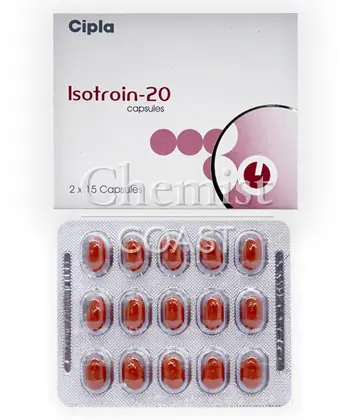
Types of medicines found in this category range across several families: topical retinoids and related agents for acne and photo‑aging; anti‑inflammatories such as topical corticosteroids and calcineurin inhibitors; topical and systemic antimicrobials for bacterial, fungal or parasitic infections; keratolytics and wart treatments; and specialist agents for actinic keratoses or hyperpigmentation. Examples of well‑known names that fall into this group are tretinoin (Retin‑A, Renova and similar formulations), adapalene (Differin), tazarotene (Tazorac), topical dapsone (Aczone), topical 5‑fluorouracil (Efudex), topical permethrin (Elimite), tacrolimus (Protopic), clobetasol and mometasone preparations, isotretinoin for severe acne, and eflornithine (Vaniqa) for unwanted facial hair reduction.
Formulation plays a major role in how a medicine performs: creams, gels, ointments and solutions each influence absorption, moisturizing effect and suitability for certain body areas. Some products produce local effects such as redness, dryness or peeling, while oral or highly potent topical agents can have systemic effects if absorbed. Certain ingredients increase sensitivity to sunlight or have specific precautions in pregnancy and breastfeeding. Regulatory categories also differ, with some medicines available only by prescription because of potency or potential systemic risks.
Safety considerations center on appropriate selection and careful use. Potency, duration of application and the area of skin treated affect both effectiveness and risk of adverse effects; misuse or prolonged use of high‑potency corticosteroids, for example, can lead to skin thinning or other complications, and some systemic agents require monitoring. Interactions with other topical products and cumulative exposure should be considered, and product leaflets list common side effects and contraindications. Packaging and labeling identify concentration and vehicle, which help indicate intended use and precautions.
When choosing a product people commonly compare active ingredient, strength, formulation and whether a prescription is required, alongside practical factors such as ease of application, frequency of dosing and how the product fits with their skin type or concurrent skincare routine. Expectations about onset of effect and realistic outcomes are also important, since some treatments require weeks to show benefit. For many conditions, the range of options allows selection of a gentler maintenance agent or a more intensive treatment depending on severity and personal preferences.