📞  — free, 24/7
— free, 24/7 — free, 24/7Products for urinary tract and bladder care: symptom relief and infection treatment, pain relief, prevention aids, supportive supplements, hygiene and incontinence supplies, diagnostic tests, and prescription or over-the-counter options for managing urinary symptoms and maintaining bladder function.
Products for urinary tract and bladder care: symptom relief and infection treatment, pain relief, prevention aids, supportive supplements, hygiene and incontinence supplies, diagnostic tests, and prescription or over-the-counter options for managing urinary symptoms and maintaining bladder function.
Medications labeled under Urinary Health are focused on relieving symptoms that affect the lower urinary tract, primarily the bladder and urethra, and on improving urine flow related to prostate enlargement. They target conditions such as overactive bladder, urinary urgency, frequency and incontinence, bladder spasms, and urinary obstruction due to an enlarged prostate. The goal of therapies in this area is symptom control and improving day-to-day comfort and function rather than curing the underlying structural issues in many cases.
Common use cases include managing sudden urges to urinate and leakage episodes, reducing the number of nocturnal bathroom visits, easing difficulty with urine flow, and calming involuntary bladder contractions. Some medicines are used for ongoing chronic conditions that require daily treatment, while others are used intermittently for temporary symptoms. Conditions vary widely by cause and severity, and treatment choices depend on the specific symptom pattern and overall health context.
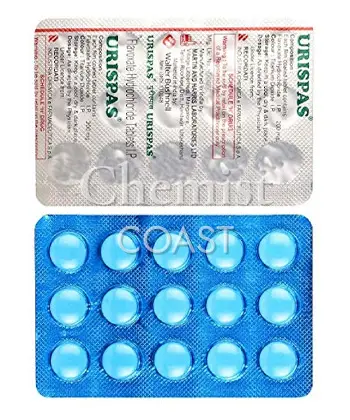
Medications found in this group fall into several main classes. Antimuscarinic agents and related drugs work by reducing bladder muscle overactivity; examples are oxybutynin preparations (Ditropan, Oxytrol) and tolterodine formulations (Detrol, Detrol LA), as well as solifenacin (Vesicare). Alpha‑blockers relax smooth muscle in the prostate and bladder neck to improve urine flow; tamsulosin (Flomax), alfuzosin (Uroxatral) and older agents such as terazosin (Hytrin) or prazosin (Minipress) are typical examples. Antispasmodic agents such as flavoxate (Urispas) may be used for cramping and discomfort. These products come in different formulations—immediate or extended‑release tablets, capsules, and transdermal patches—so the dosing profile and side effect patterns differ.
The way these medicines are used in practice varies with the condition and the drug’s characteristics. Some therapies are taken once daily to provide steady symptom control, while others are dosed as needed for acute spasms. Extended‑release formulations are intended to smooth out blood levels and can reduce certain side effects compared with immediate‑release forms. Availability differs by region: several agents require a prescription, while a limited number may be available over the counter in some countries. Labels and regulatory guidance summarize approved uses and recommended administration.
Safety considerations commonly discussed for urinary health medicines include predictable side effects such as dry mouth, constipation and blurred vision with antimuscarinic drugs, and dizziness or low blood pressure with alpha‑blockers. Drug interactions can be relevant, for example when multiple medications affect blood pressure or have additive anticholinergic effects. Older adults may be more sensitive to adverse effects and to cognitive impacts associated with some agents. Product information and regulatory materials describe contraindications and precautions for particular medical conditions.
When choosing a product for urinary symptoms, people often weigh effectiveness for the specific complaint, potential side effects, dosing convenience (once‑daily versus multiple doses or a patch), and whether the product is prescription‑only. Considerations also include other health conditions and current medications that could interact, as well as personal tolerance observed during a trial period. Examples such as Detrol/Detrol LA, Ditropan, Oxytrol, Vesicare, Flomax, Hytrin, Minipress, Urispas and Uroxatral illustrate how different agents are selected to address either bladder overactivity, spasms or prostate‑related flow problems depending on the clinical picture.