📞  — free, 24/7
— free, 24/7 — free, 24/7Reproductive and gynecological care products: menstrual supplies, contraception, fertility and pregnancy aids, menopause remedies, vaginal and urinary care, sexual wellness items, and vitamins or topical treatments tailored to women's health needs.
Reproductive and gynecological care products: menstrual supplies, contraception, fertility and pregnancy aids, menopause remedies, vaginal and urinary care, sexual wellness items, and vitamins or topical treatments tailored to women's health needs.
Women’s Health covers a broad set of medicines aimed at conditions that predominantly or exclusively affect people assigned female at birth, spanning reproductive health, hormonal balance, bone strength, urinary function and sexual health. This category groups treatments used for contraception and family planning, menopause symptom management, fertility support, menstrual disorders and infections, as well as drugs prescribed for conditions such as osteoporosis and hormone-sensitive disease. The focus is on therapies tailored to biological and life-stage needs.
Common uses include preventing pregnancy, managing irregular or painful periods, supporting conception and early pregnancy, treating vaginal infections, and relieving menopausal symptoms like hot flashes and vaginal dryness. Emergency contraception is used after unprotected intercourse, antifungal tablets treat yeast infections, and ovulation-inducing drugs assist with fertility. Bone-protecting agents address age- or hormone-related bone loss, while medications for sexual dysfunction and bladder control address quality-of-life concerns.
Types of medicines in this category range from hormonal products — combined and progestin-only contraceptives, oral and topical estrogen preparations, and progesterone supplements — to fertility agents such as ovulation stimulants. You will also find antifungals for vaginal infections, nonsteroidal analgesics for menstrual pain, antifibrinolytics for heavy bleeding, bisphosphonates for osteoporosis and selective estrogen receptor modulators or aromatase inhibitors used in hormone-related disease management. Formulations include tablets, creams, injections and patches.
Safety considerations commonly associated with these medicines relate to side effects, interactions with other drugs, and suitability for different life stages or medical histories. Some hormonal therapies carry risks that are described in product information and regulatory guidance, and certain medicines have contraindications in pregnancy. Differences in metabolic pathways, dosing frequency and treatment duration influence both benefit and risk profiles, so information supplied with medications is important to review.
When choosing a product people often weigh effectiveness for the intended purpose, the expected side-effect profile, how the medication is taken (daily pill, patch, single-dose emergency tablet, topical application or injection), and whether treatment is short- or long-term. Other common considerations include whether a medicine requires a prescription or is available over the counter, whether it is suitable during breastfeeding, how quickly it works for acute needs, and whether generic versions are available.
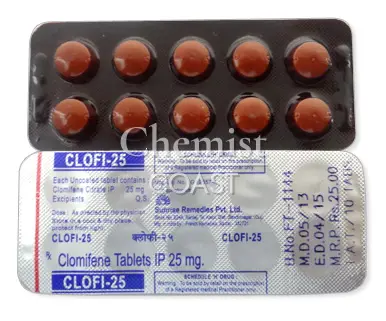
Many recognizable medicines fall into this area, reflecting the diversity of needs across the reproductive lifespan — examples include combined oral contraceptives such as Yasmin or Levlen, emergency contraception like Plan B, fertility agents such as clomiphene (Clomid/Serophene), antifungals such as fluconazole (Diflucan), menopausal and hormone-support preparations like estradiol or conjugated estrogens (Estrace, Premarin), bone-protecting drugs such as alendronate (Fosamax), and treatments for low sexual desire such as flibanserin (Addyi). Product leaflets and regulatory information provide specific details about indications and precautions for each medicine.