📞  — free, 24/7
— free, 24/7 — free, 24/7Products for hair thinning and loss: topical solutions, shampoos and conditioners, oral medications and supplements, scalp treatments and serums, prescription and OTC options, plus devices such as laser combs. Designed to address male and female pattern hair loss and general thinning.
Products for hair thinning and loss: topical solutions, shampoos and conditioners, oral medications and supplements, scalp treatments and serums, prescription and OTC options, plus devices such as laser combs. Designed to address male and female pattern hair loss and general thinning.
Medications in the Hair Loss category are intended to address different forms of hair thinning and reduced hair density. The focus is mainly on pharmaceutical treatments that act on the hair growth cycle, hormonal pathways, or local scalp conditions. Some products are formulated for long-term maintenance of existing hair, while others are used to encourage regrowth or slow further shedding. This category brings together topical and oral options that are commonly available for pattern hair loss and related concerns.
Common use cases include androgenetic (pattern) hair loss in men and women, diffuse thinning that affects hair volume, and situations where stabilizing ongoing loss is the primary goal. Topical medications are often chosen when the aim is to stimulate follicles at the scalp level, whereas oral agents may be selected when hormonal contribution to hair loss is a suspected factor. Expectations for improvement tend to vary with the underlying cause, duration of hair loss, and individual response to treatment.
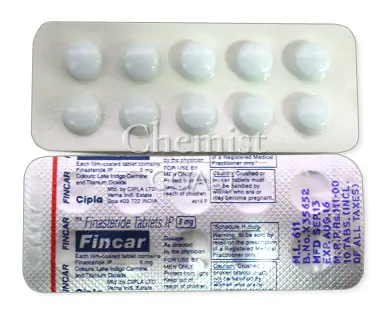
Types of products found in this category include topical vasodilators, systemic inhibitors of hormones involved in follicle miniaturization, and formulations designed for ease of local application. Representative active ingredients include minoxidil in topical formulations and 5‑alpha‑reductase inhibitors such as finasteride and dutasteride in oral tablet form. These act by different mechanisms: topical agents typically target the scalp environment, while systemic agents alter hormonal conversion processes that can contribute to pattern hair thinning.
How these medicines are commonly used differs by formulation. Topical solutions or foams are usually applied directly to the affected scalp areas on a daily schedule, and tablets are typically taken once daily when prescribed for hair loss. Noticeable changes generally require several months of regular use, and many treatments are intended for ongoing administration to maintain benefits. Application techniques, dosing frequencies, and exact treatment durations depend on the specific product formulation and the instructions provided with each medicine.
General safety considerations include potential local reactions, systemic side effects, and interactions with other medications. Topical products can cause scalp irritation, itching, or contact dermatitis in some users. Systemic agents may be associated with hormonal side effects and are contraindicated in certain populations; product labeling often includes specific warnings about use in pregnancy and handling precautions for women of childbearing potential. Age restrictions, pre-existing health conditions, and concomitant medications can affect suitability; detailed safety information is provided in official product documentation.
When comparing options, users typically weigh expected effectiveness, onset of visible results, side‑effect profiles, formulation and ease of use (for example, foam versus liquid or tablet), and regulatory approval for a given indication. Other common considerations are whether a product is intended for maintenance or active regrowth, whether it is marketed for men, women, or both, and how treatment fits into a broader hair care routine. Product literature, ingredient lists, and approved usage information are commonly consulted to make an informed choice.