📞  — free, 24/7
— free, 24/7 — free, 24/7| Package | Price per Dose | Price | |
|---|---|---|---|
| 350 pills | A$0.88 | A$441.61 A$309.12 Free shipping | |
| 140 pills | A$0.97 | A$195.55 A$136.89 | |
| 84 pills | A$1.10 | A$132.46 A$92.72 | |
| 56 pills | A$1.21 | A$97.76 A$68.43 | |
| 28 pills | A$1.35 | A$53.60 A$37.52 | |
| 14 pills | A$1.74 | A$34.67 A$24.27 | |
| 350 pills | A$0.95 | A$476.31 A$333.41 Free shipping | |
| 140 pills | A$1.04 | A$208.17 A$145.72 | |
| 98 pills | A$1.15 | A$160.85 A$112.60 | |
| 84 pills | A$1.28 | A$154.54 A$108.18 | |
| 56 pills | A$1.41 | A$113.53 A$79.47 | |
| 28 pills | A$1.57 | A$63.06 A$44.14 | |
| 14 pills | A$2.05 | A$40.98 A$28.68 | |
| 350 pills | A$1.17 | A$586.72 A$410.70 Free shipping | |
| 140 pills | A$1.30 | A$261.80 A$183.26 | |
| 84 pills | A$1.48 | A$176.62 A$123.64 | |
| 56 pills | A$1.61 | A$129.31 A$90.51 | |
| 28 pills | A$1.81 | A$72.52 A$50.77 | |
| 14 pills | A$2.21 | A$44.13 A$30.89 |
Atenolol is a cardioselective beta-1 adrenergic receptor antagonist introduced in the late 20th century and remains widely prescribed for hypertension and ischemic heart disease. It preferentially blocks beta-1 receptors in the heart, reducing heart rate and myocardial contractility while largely avoiding beta-2–mediated bronchial effects in most patients.
Atenolol exhibits relatively low lipid solubility, contributing to limited penetration of the central nervous system. It is administered orally with about half to sixty percent systemic bioavailability and is cleared predominantly as unchanged drug via renal excretion. The elimination half-life is approximately 6 to 7 hours, enabling once-daily dosing in many regimens.
In hypertension, atenolol lowers blood pressure by decreasing cardiac output and by suppressing plasma renin activity. It is selected when tachycardia or ischemic symptoms coexist, and it can improve exercise tolerance in patients with angina. In combination therapy, it may be used with other antihypertensives to enhance blood pressure control.
In secondary prevention after myocardial infarction, atenolol reduces mortality and reinfarction risk when initiated promptly and continued as tolerated. It is also used for certain supraventricular tachyarrhythmias and for perioperative cardiovascular risk reduction in appropriate patients, subject to clinical assessment and contraindications.
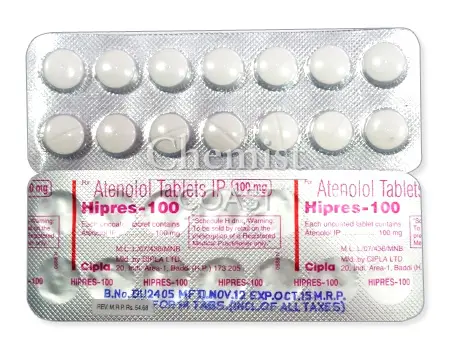
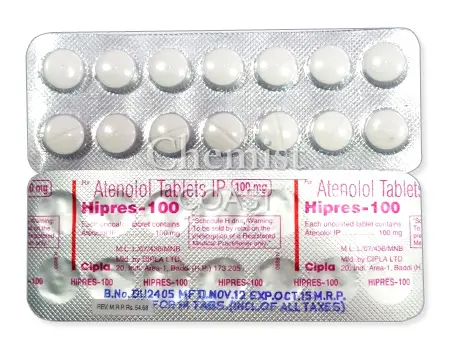
Atenolol is supplied as oral tablets in common strengths such as 25, 50, and 100 mg. Regimens are typically started at 25–50 mg once daily and titrated upward to 100 mg daily based on blood pressure, heart rate, and tolerability. Dosing may be adjusted to achieve target hemodynamic effects while monitoring for adverse reactions.
Tablets are taken by mouth, with or without food, exactly as prescribed. In renal impairment, lower starting doses and slower titration are warranted because renal clearance predominates. Patients should not alter the dose or discontinue abruptly without medical guidance due to potential withdrawal effects.
Important safety information: Atenolol is contraindicated in severe bradycardia, second- or third-degree atrioventricular block, uncompensated heart failure, or cardiogenic shock. It should be used cautiously in patients with reactive airway disease, peripheral vascular disease, or Raynaud phenomenon.
Concurrent use with non-dihydropyridine calcium channel blockers (eg, diltiazem, verapamil) can cause excessive bradycardia, AV block, or hypotension. Abrupt withdrawal may worsen angina or precipitate myocardial ischemia; taper over 1–2 weeks. Diabetic patients should monitor glucose, as beta-blockade can mask hypoglycemic symptoms. Pregnancy and lactation require clinician assessment.
Common adverse effects include fatigue, dizziness, bradycardia, and lower blood pressure. Patients may notice cold extremities, headaches, or sleep disturbances. Sexual dysfunction can occur but is less common with beta-1 selective agents.
Less frequent reactions include gastrointestinal upset, dry mouth, or rash. Bronchospasm is uncommon with cardioselective therapy but may occur in susceptible individuals. Seek medical attention for signs of severe block, heart failure symptoms, wheezing, or intolerable side effects that persist.
14–21 days. Free from A$284.93 .
5–9 days. A$42.74
−10% when paying with cryptocurrency.
−10% on all repeat orders.
All orders are packed in neutral, unbranded boxes with no product name on the outside.