📞  — free, 24/7
 — free, 24/7| Package | Price per Dose | Price | |
|---|---|---|---|
| 360 pills | A$0.73 | A$374.90 A$262.43 | |
| 240 pills | A$0.79 | A$270.93 A$189.65 | |
| 180 pills | A$0.82 | A$211.06 A$147.74 | |
| 120 pills | A$0.88 | A$151.20 A$105.84 | |
| 90 pills | A$0.95 | A$122.84 A$85.99 | |
| 60 pills | A$0.99 | A$85.04 A$59.53 | |
| 30 pills | A$1.04 | A$44.08 A$30.85 | |
| 360 pills | A$1.08 | A$554.49 A$388.14 Free shipping | |
| 240 pills | A$1.19 | A$409.55 A$286.69 Free shipping | |
| 180 pills | A$1.30 | A$333.94 A$233.76 | |
| 120 pills | A$1.48 | A$252.02 A$176.42 | |
| 90 pills | A$1.65 | A$214.21 A$149.95 | |
| 60 pills | A$1.74 | A$148.05 A$103.63 | |
| 30 pills | A$1.87 | A$81.89 A$57.32 |
Disclaimer: This information supports safe use of Glucotrol. It does not replace professional medical advice. Consult a healthcare professional for personalised guidance before starting or stopping Glucotrol.
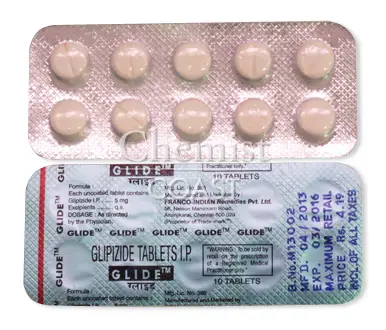
Glucotrol, with the active ingredient glipizide, is a hypoglycaemic agent classified as a sulfonylurea (a medication that stimulates pancreatic insulin release).(Hypoglycaemic: lowers blood glucose; sulfonylurea: a class of medicines used to lower blood glucose in type 2 diabetes.)
It belongs to the second-generation sulfonylureas, which are more potent per milligram and generally have more predictable pharmacokinetics than first-generation agents. (Pharmacokinetics: how the body absorbs, distributes, metabolises, and eliminates a drug.)
The primary therapeutic purpose is to improve glycaemic control in adults with type 2 diabetes mellitus by increasing insulin secretion from pancreatic beta cells in a glucose-dependent manner, thereby reducing fasting and postprandial (after meals) blood glucose levels. (Glycaemic control: maintaining blood glucose within target ranges.)
Glucotrol is administered orally and typically used as part of a broader treatment plan that includes diet, exercise, and regular monitoring of blood glucose. (Oral administration: taken by mouth in tablet form.) In Australia, use is guided by a clinician's assessment and local prescribing regulations; it is not suitable for type 1 diabetes or diabetic ketoacidosis. (Diabetic ketoacidosis: a serious complication of diabetes requiring insulin therapy.)
Known hypersensitivity to glipizide or any other sulfonylurea or to any component of the product formulation is a contraindication. (Hypersensitivity: an allergic reaction to a drug.)
Glucotrol is not appropriate for individuals with type 1 diabetes or for treatment of diabetic ketoacidosis, where insulin therapy is required. (Type 1 diabetes: a condition in which the body does not produce insulin.)
Severe hepatic impairment or significant liver disease may impair drug metabolism and increase exposure to glipizide, necessitating alternative therapies or close specialist supervision. (Hepatic impairment: reduced liver function.)
Pregnancy and breastfeeding require careful consideration; data are limited and recommendations vary by jurisdiction. In many cases, alternative therapies are preferred during pregnancy or lactation; consult the attending clinician for personalised advice. (Lactation: breastfeeding; alternative therapies may be advised during pregnancy or breastfeeding.)
Hypoglycaemia (low blood glucose) is a major safety consideration with glipizide and may occur, particularly with missed meals, excessive exercise, alcohol, or interacting medications. (Hypoglycaemia: dangerous drop in blood glucose.)
Individuals with hepatic or renal impairment may experience altered drug levels, necessitating closer monitoring, attention to signs of over- or under-treatment, and potential dose adjustment. (Renal impairment: reduced kidney function.)
Older adults often have increased sensitivity to hypoglycaemic effects and may require careful dose initiation and gradual titration; frequent glucose monitoring is advised. (Geriatric safety: older adults may be more susceptible to adverse drug effects.)
Illness, fasting, or reduced oral intake can affect glucose homeostasis and the response to Glucotrol; immunocompromising conditions or infections may complicate diabetes management, requiring clinician input. (Glycaemic variability: changes in glucose control during illness.)
Care should be taken to recognise early signs of hypoglycaemia, such as sweating, shaking, dizziness, confusion, or sudden fatigue. (Neurological and autonomic symptoms may indicate low glucose.) Immediate consumption of a fast-acting carbohydrate source is often required if low glucose is suspected; seek urgent medical help if symptoms persist or worsen. (Urgent medical help: seek prompt professional care when symptoms are severe or unresponsive.)
Short-term illness with vomiting or poor appetite can alter glucose levels and increase the risk of hypoglycaemia or hyperglycaemia; monitoring should be intensified during such periods, and medical advice sought if concerns arise. (Hyperglycaemia: high blood glucose.)
Alcohol can affect glucose levels and may increase the risk of hypoglycaemia, particularly when meals are skipped or carbohydrate intake is reduced; limiting alcohol consumption and ensuring meals are taken with medication is advised unless otherwise directed. (Alcohol effects on glucose control: variable and potentially dangerous.)
Like other medicines, Glucotrol may cause side effects. Most are mild and transient, but some require medical attention. (Adverse drug reaction: an unwanted effect caused by a medication.)
Common events include gastrointestinal upset and small changes in weight or appetite; these usually lessen with continued therapy or dose adjustment. (Gastrointestinal upset: nausea, upset stomach; weight changes reflect energy balance and appetite changes.)
Hypoglycaemia remains a key safety concern; while not a direct side effect in all patients, it is a pharmacologic risk inherent to the drug class. (Pharmacologic risk: inherent to sulfonylureas.)
Less frequent adverse effects may include dermatologic reactions, dizziness, or headaches; severe skin reactions are rare and warrant immediate medical evaluation. (Dermatologic reactions: rashes or hives; seek care if widespread or worsening.)
Early symptoms may include headaches, dizziness, or mild flushing; these may improve as therapy continues and the dose stabilises. (Anecdotal observation: may occur transiently as the body adjusts.)
Digestive symptoms such as nausea or indigestion can occur, often around the time of initiation; taking the tablet with meals may reduce these effects. (Meal-timed dosing: taking with food often improves tolerability.)
Severe hypoglycaemia is a medical emergency that requires immediate attention; if associated with fainting, seizures, or confusion, seek urgent medical help. (Emergency signs: require rapid medical evaluation.)
Severe allergic reactions (anaphylaxis) are very uncommon but require emergency treatment; symptoms may include swelling of the face, lips, or throat, and difficulty breathing. (Anaphylaxis: a life-threatening allergic reaction.)
Rashes, itching, or hives can occur and should be evaluated by a clinician, particularly if spreading or accompanied by fever or swelling. (Skin reactions: monitor for worsening symptoms.)
Weight gain may occur with ongoing therapy; appetite changes and GI symptoms should be discussed with a clinician to assess overall treatment balance. (Weight management considerations: monitored as part of diabetes care.)
Drug interactions can alter the effect of glipizide or raise the risk of adverse events; co-prescribed medicines require careful assessment by a clinician or pharmacist. (Pharmacokinetic and pharmacodynamic interactions: changes in drug effects.)
Drug interactions are typically categorised by prescription medications, over-the-counter medicines, herbal or dietary supplements, and alcohol; each category may affect glucose control or hypoglycaemia risk. (Categorisation aids safety planning.)
Monitoring plans may include more frequent blood glucose checks, dose adjustments, or alternative therapies when interactions are identified. (Therapy adjustment: guided by clinician.)
Check with a pharmacist or prescriber before adding any new medicine or supplement to current therapy. (Professional consultation: essential for safety.)
Several antiseizure medications, certain antifungal agents, and some antibiotics can alter glipizide metabolism or glucose response; a clinician may adjust therapy or monitor closely. (Metabolic interactions: may require monitoring or dose changes.)
Non-prescription medicines for cold or flu, sleep aids, or weight loss products can interact with glucose control; inform the pharmacist before use. (Polypharmacy safety: disclose all products used.)
Alcohol can alter glucose levels and may increase hypoglycaemia risk in people taking glipizide; moderation or avoidance may be advised depending on dietary planning and concurrent medications. (Dietary interactions: alcohol effects on glucose.)
Herbal supplements (for example, certain brands marketed for blood sugar support) may interact with glucose metabolism or liver enzymes; discuss use with a healthcare professional. (Evidence varies; professional advice is needed.)
Special populations require tailored considerations due to differences in metabolism, organ function, and vulnerability to adverse effects. (Population-specific considerations: tailoring therapy to individual patient factors.)
In pregnancy or breastfeeding, Glucotrol use is generally approached with caution; alternatives may be recommended, and any treatment decision should be made with the obstetrician or paediatrician and the pharmacist. (Pregnancy and lactation safety: consult specialists.)
In elderly patients, age-related changes may increase hypoglycaemia risk and drug sensitivity; careful initiation and slower dose escalation are common strategies. (Geriatric pharmacology: adjust for frailty and comorbidity.)
In renal or hepatic impairment, consideration of altered drug clearance is essential; clinicians may adjust dose or monitor more frequently. (Organ impairment: recognition and adjustment required.)
Pregnant individuals require a specialist assessment to determine the safest glucose-lowering strategy; Glucotrol may be avoided in pregnancy depending on local guidelines. (Teratogenic risk and clinical guidelines: follow local recommendations.)
The safety and effectiveness of Glucotrol in children and adolescents are less well established; treatment decisions are made on a case-by-case basis in consultation with paediatric diabetes specialists. (Pediatric pharmacotherapy: limited data for this age group.)
Older age may be associated with increased susceptibility to hypoglycaemia and other adverse effects; a cautious approach with regular monitoring is recommended. (Geriatric care: balance glycaemic control with safety.)
Renal impairment can influence drug clearance and the risk of hypoglycaemia; hepatic impairment can reduce drug metabolism; adjustments or alternative therapies may be necessary. (Organ function considerations: monitor and adjust as needed.)
Glucotrol should be taken with meals to reduce the risk of stomach upset and to provide a more stable rise in blood glucose after meals. (Administration with meals: improves tolerability and glucose control.)
Missed doses should be discussed with a clinician; do not double-dose to catch up unless advised by a professional. (Dosing discipline: avoid accidental over-treatment.)
Regular self-monitoring of blood glucose is advised to track control and detect hypoglycaemia promptly; the frequency of testing should be guided by the prescriber. (Self-monitoring: essential part of diabetes management.)
Storage of Glucotrol should follow the label directions, away from moisture and heat, and out of reach of children. (Medication storage: maintain integrity and safety.)
Official product information, local pharmaceutical guidelines, and clinician advice provide the most current and relevant safety data for Glucotrol; consult healthcare professionals for personalised recommendations. (Professional guidance: essential for safety.)
In Australia, follow local regulatory requirements, pharmacy-based patient information, and the advice of the prescribing clinician; seek clarification when any information appears uncertain. (Regulatory context: local rules apply.)
When in doubt about symptoms, possible drug interactions, or changes in glucose readings, contact a pharmacist or prescriber promptly for assessment. (Pharmacist consultation: immediate access to medication safety expertise.)
The official patient information leaflet provided with the medicine should be reviewed; it contains product-specific details about ingredients, storage, and withdrawal. (Leaflet literacy: read the exact product instructions.)
Glucotrol can increase the risk of hypoglycaemia when meals are skipped; consult a clinician for tailored advice and consider adjusting meal patterns or medication timing. (Hypoglycaemia risk with fasting: seek professional guidance.)
Missing a dose may affect glucose control and could increase the risk of hypoglycaemia if the next dose is taken with insufficient food; a clinician can advise on whether to take the missed dose or skip it. (Dose omission: seek professional direction.)
Alcohol can influence glucose levels and the risk of hypoglycaemia; moderation or avoidance may be advised, particularly during illness or when meals are irregular. (Alcohol and glucose: potential interaction.)
Some supplements may alter glucose control or interact with liver enzymes; always inform the healthcare team about all supplements and herbs prior to starting Glucotrol. (Supplement interactions: disclose all products.)
Hypoglycaemia can impair alertness and reaction time; if dizziness or confusion occurs, driving should be avoided until symptoms are resolved and medical advice is obtained. (Safety-sensitive activities: pause during hypoglycaemia.)
Regular blood glucose monitoring is commonly recommended, and periodic laboratory tests may be advised to assess liver function, kidney function, and overall metabolic status; follow the clinician’s plan. (Monitoring: combine home and laboratory assessments.)
Severe hypoglycaemia requires urgent medical attention; one should call emergency services or seek urgent care depending on the local system, and provided glucose sources should be used if advised by a professional. (Emergency management: escalate as directed by healthcare providers.)
Discontinuation or dose reductions may be recommended during significant illness, surgery, or when certain drug interactions are present; medical supervision is essential for any changes. (Treatment modification: require professional supervision.)
In frail older adults, the risk of hypoglycaemia may be higher; dose initiation and titration should be cautious with close glucose monitoring and regular clinician review. (Frailty considerations: individualised safety planning.)
Concomitant use with insulin or other insulin secretagogues may increase hypoglycaemia risk; therapy should be managed by a clinician with appropriate monitoring and dose adjustments. (Combination therapy: requires professional supervision.)
Persistent hyperglycaemia warrants clinical reassessment; a clinician may adjust the regimen, add another agent, or switch therapies to achieve better control. (Therapy failure: evaluate and adjust under supervision.)
For safety and effectiveness, rely on the official product leaflet, accredited healthcare professionals, and local guidelines; if information is uncertain, consult a pharmacist or prescriber. (Professional verification: essential for safe use.)
14–21 days. Free from A$284.58 .
5–9 days. A$42.69
−10% when paying with cryptocurrency.
−10% on all repeat orders.
All orders are packed in neutral, unbranded boxes with no product name on the outside.